How to Start a HIFU Clinic in Australia
A practical, step-by-step guide covering setup costs, equipment, training, safety, marketing, and break-even — written for new and growing clinic owners
Free PDF. Includes common buying mistakes, must-have features, and a machine comparison.
What We’ve Seen From Real Australian HIFU Clinics
Over the years, we’ve worked closely with Australian clinic owners at every stage — from people launching a home-based HIFU skin-clinic with no prior beauty experience, through to established medical practices looking to s add HIFU as a new revenue stream.
What we consistently see is that success has less to do with the machine brand, and more to do with preparation. Clinics that take the time to understand treatment costs, invest in hands-on training, and plan their marketing before launching tend to build confidence quickly and avoid early setbacks.
On the other hand, clinics that rush into buying equipment without clarity around support, training, or break-even often experience unnecessary stress, inconsistent results, and slower growth.
What Is HIFU and How Is It Used in Clinics?
HIFU, or High-Intensity Focused Ultrasound, is a non-invasive aesthetic treatment used to lift, tighten, and improve skin quality without surgery or injections.
In a clinical setting, HIFU works by delivering focused ultrasound energy to precise depths beneath the skin. This energy stimulates collagen production in the deeper layers of tissue while leaving the surface of the skin intact. Over time, this collagen response leads to firmer, tighter-looking skin with minimal downtime.
Unlike treatments that work only on the surface, HIFU targets the structural layers of the skin that are responsible for firmness and support. This is why it is commonly used for areas such as the face, neck, jawline, and increasingly for body treatments.
In practice, a HIFU clinic offers structured, protocol-based treatments using specialised HIFU machines and cartridges designed for different treatment depths. Treatments are typically completed in a single session per area, with results developing gradually over several weeks as collagen regenerates.
From a business perspective, HIFU has become popular in clinics because it combines:
Non-invasive treatment delivery
Broad suitability across age groups
Long-lasting results compared to many cosmetic treatments
Strong client retention through maintenance programs
Because HIFU treatments do not require surgical facilities or injectables, they can be offered in a range of settings — from home-based studios through to established skin and cosmetic clinics — provided the practitioner is properly trained and follows clear treatment protocols.
Why HIFU Works as a Start-Up Clinic in Australia
Predictable Treatment Costs and Healthy Profit Margins
One of the reasons HIFU works well as a clinic business is that treatment costs are relatively predictable once you understand how cartridges and shot counts work. Unlike some aesthetic treatments where consumable costs fluctuate or add up quickly, HIFU allows clinic owners to calculate an approximate cost per treatment upfront.
This predictability makes it easier to price services with confidence, plan break-even points, and avoid unpleasant surprises as bookings increase. Clinics that take the time to understand their cost per treatment early are generally more relaxed about growth, because they know each booking is contributing positively to the business rather than eroding margins.
One Technology That Treats Both Face and Body
HIFU is versatile by design. The same core technology can be used to treat multiple areas of the face as well as larger body zones, simply by changing cartridges and treatment protocols. This allows clinics to expand their service offering without investing in multiple devices.
For clinic owners, this flexibility reduces complexity. You can start with a smaller menu of treatments, build confidence, and then introduce additional face or body services as demand grows. From a client perspective, it also creates continuity — clients who trust you with facial treatments are more likely to return for body treatments over time.
Step-by-Step Guide to Starting a HIFU Clinic

Starting a HIFU clinic is not a single decision — it’s a sequence of practical choices that build on each other. Getting the early steps right makes everything that follows easier, from pricing and marketing through to confidence with clients.
The first decision to make is where and how you will operate your clinic.
Step 1 – Choose the right Clinic Business Model (Home -Based or Commercial)
Most HIFU clinics in Australia begin in one of two ways: as a home-based studio or from a commercial clinic space. Both models can work well when set up correctly — the right choice depends on your experience, budget, and long-term goals.
Home-Based HIFU Clinic
Pros
Lower start-up and ongoing costs
Faster path to break-even
Less financial pressure in the early months
Flexible hours and workload
Considerations
You’ll need a dedicated, professional treatment space
Local council or body corporate rules may apply
Marketing relies more heavily on online channels
Best suited for
First-time clinic owners
People transitioning into aesthetics from another career
Owners who want to test demand before scaling
Those who prefer a lower-risk entry into the industry
Commercial HIFU Clinic
Pros
Higher visibility and walk-in potential
Easier to scale with additional treatments or staff
Stronger perception for some client demographics
Considerations
Higher rent and fixed overheads
Longer time to break-even
More pressure to maintain consistent bookings
Best suited for
Established beauty or skin clinics adding HIFU
Owners with an existing client base
Clinics planning to offer multiple services from day one
A Practical Starting Point
Many successful clinic owners choose to start from home and move into a commercial space later. This approach allows you to build confidence, refine your treatment protocols, and understand your numbers before taking on higher overheads.
There is no “right” or “wrong” model — the best clinic setup is the one that matches your current situation while giving you room to grow.
Step 2 – Understand the Real Start-up Costs
One of the biggest sources of stress for new clinic owners is uncertainty around costs. Many people focus only on the price of a HIFU machine, without accounting for the full picture of what it actually takes to launch and operate confidently.
Understanding your star-tup costs early helps you:
Price treatments correctly
Set realistic break-even expectations
Avoid financial pressure during the first few months
Rather than thinking in terms of a single purchase, it’s more useful to group costs into clear categories.
Check out the Clinic break-even calculator for high level estimates of start-up to break-even point.
Core Cost Areas to Plan For
HIFU Equipment
The upfront cost of the machine is only one part of the equation. You’ll also need to consider cartridge costs, shot counts, warranty coverage, and ongoing support. Two machines with similar purchase prices can have very different long-term operating costs.
Training and Support
Quality training is not optional. Hands-on training, clear protocols, and access to support when you’re starting out reduce risk and build confidence. Clinics that underinvest in training often pay for it later through poor results or client dissatisfaction.
Clinic Setup and Fit-Out
This includes your treatment room setup, bed, trolley, consumables, and basic client comfort items. The goal is not luxury — it’s cleanliness, professionalism, and a calm client experience.
Insurance and Risk Coverage
Professional indemnity and public liability insurance should be factored in from day one. These are essential for protecting both you and your clients.
Booking, Payments, and Systems
Most clients expect online booking, automated SMS reminders, and simple payment options. These systems reduce no-shows and save time, especially when you’re operating solo.
Marketing and Advertising
Initial marketing is often underestimated. Even a modest, consistent advertising budget for Google or social platforms can make a significant difference in your first 3–6 months.
A Helpful Way to Think About Costs
Rather than asking “What’s the cheapest way to start?”, a better question is:
“What setup allows me to operate confidently, treat clients safely, and grow without constant stress?”
Clinics that plan their costs realistically tend to launch more smoothly and reach break-even faster than those that try to cut too many corners upfront.
Step 3 – Choose a HIFU Machine That Suits Your Needs
Choosing a HIFU machine is one of the most important decisions you’ll make when setting up your clinic. It affects not only your upfront investment, but also your treatment confidence, ongoing costs, client experience, and long-term profitability.
Rather than looking for the “best” machine on the market, the goal is to choose a machine that fits your clinic model, experience level, and growth plans.
Start With How You’ll Actually Use the Machine
Before comparing brands or specifications, it helps to be clear on a few practical points:
Will you be offering face treatments only, or face and body?
Are you starting as a solo operator, or within an existing clinic?
Do you want a machine that is simple to learn first, or one with advanced options from day one?
How important is having local support if you need guidance during treatments?
Answering these questions narrows the field quickly and prevents you from paying for features you don’t yet need.
Key Factors to Look For in a HIFU Machine
Treatment Capability (Face and Body)
A versatile machine allows you to treat multiple areas using different cartridges and depths. This gives you flexibility to expand your service menu over time without needing additional equipment. Compare the HIFU machines in the market in the Buyers Guide.
Cartridge Shot Count and Cost Per Treatment
Not all cartridges are created equal. The number of shots per cartridge and the cost per cartridge directly affect your cost per treatment. Understanding this early helps you price services accurately and protect your margins as bookings increase.
Consistency and Ease of Use
Reliable energy delivery and clear treatment protocols are especially important when you’re starting out. A machine that is predictable and easy to operate builds confidence faster than one that is overly complex.
Warranty and Technical Support
Downtime costs money and confidence. Look for clear warranty terms and confirm what support is available if something goes wrong. Having access to timely, knowledgeable support — ideally based in Australia — can make a significant difference in your early months.
Training Included With the Machine
The machine itself is only part of the solution. Practical, hands-on training that shows you how to use the equipment safely and effectively is just as important as the hardware.
Avoid a Common Mistake
A frequent mistake new clinic owners make is choosing a machine based primarily on purchase price. While budget matters, a lower upfront cost can sometimes be offset by higher cartridge costs, limited support, or reduced flexibility later on.
A better approach is to look at the total cost of ownership and how well the machine supports you as your clinic grows.
A Balanced Decision
The right HIFU machine should:
Match your current clinic setup
Be straightforward to use and learn
Allow you to expand services over time
Come with training and support you can rely on
When these elements are aligned, the machine becomes a tool you can trust — rather than a source of uncertainty.
Step 4 – Training, Support, and Building Confidence
Even the best HIFU machine will only perform as well as the person operating it. For new clinic owners, training and ongoing support are often the difference between feeling confident and feeling overwhelmed during the early stages.
While HIFU is non-invasive, it still requires skill, judgement, and an understanding of treatment protocols to deliver safe and consistent results.
What Good HIFU Training Should Include
Hands-On Practical Training
Practical, in-person training is essential. Being able to perform treatments under guidance helps you understand how the machine behaves on different areas of the face and body, and how to adjust settings appropriately.
Clear Treatment Protocols
Good training provides step-by-step protocols for different treatment areas and client types. This removes guesswork and helps you deliver treatments consistently, even when you’re still building experience.
Understanding Client Assessment
Training should also cover how to assess clients properly — including suitability, expectations, and contraindications. This protects both you and your clients, and builds trust from the first consultation.
Why Ongoing Support Matters
It’s normal to have questions once you start treating real clients. Access to knowledgeable support — especially in the early weeks — can significantly reduce nerves and prevent small issues from becoming larger problems.
Having someone you can contact for treatment guidance, reassurance, or troubleshooting helps you:
Feel more confident during treatments
Maintain consistent results
Reduce stress and self-doubt
Improve client satisfaction
Building Confidence Takes Time
Confidence with HIFU doesn’t come from one training session alone. It develops through:
Repetition
Clear protocols
Support when you need it
Positive client outcomes
Clinics that prioritise training and support tend to progress more steadily and experience fewer setbacks than those that try to “figure it out” on their own.
A Responsible Approach
From a client perspective, confidence is visible. Clients can sense when a practitioner understands the treatment and feels comfortable delivering it. Investing in proper training and support is not just about compliance — it’s about providing a professional, reassuring experience that encourages repeat bookings.
Step 5 – Setting Up Your Treatment Space and Systems
A well-set-up treatment space does more than look professional — it helps treatments run smoothly, keeps clients comfortable, and allows you to focus fully on delivering results rather than managing distractions.
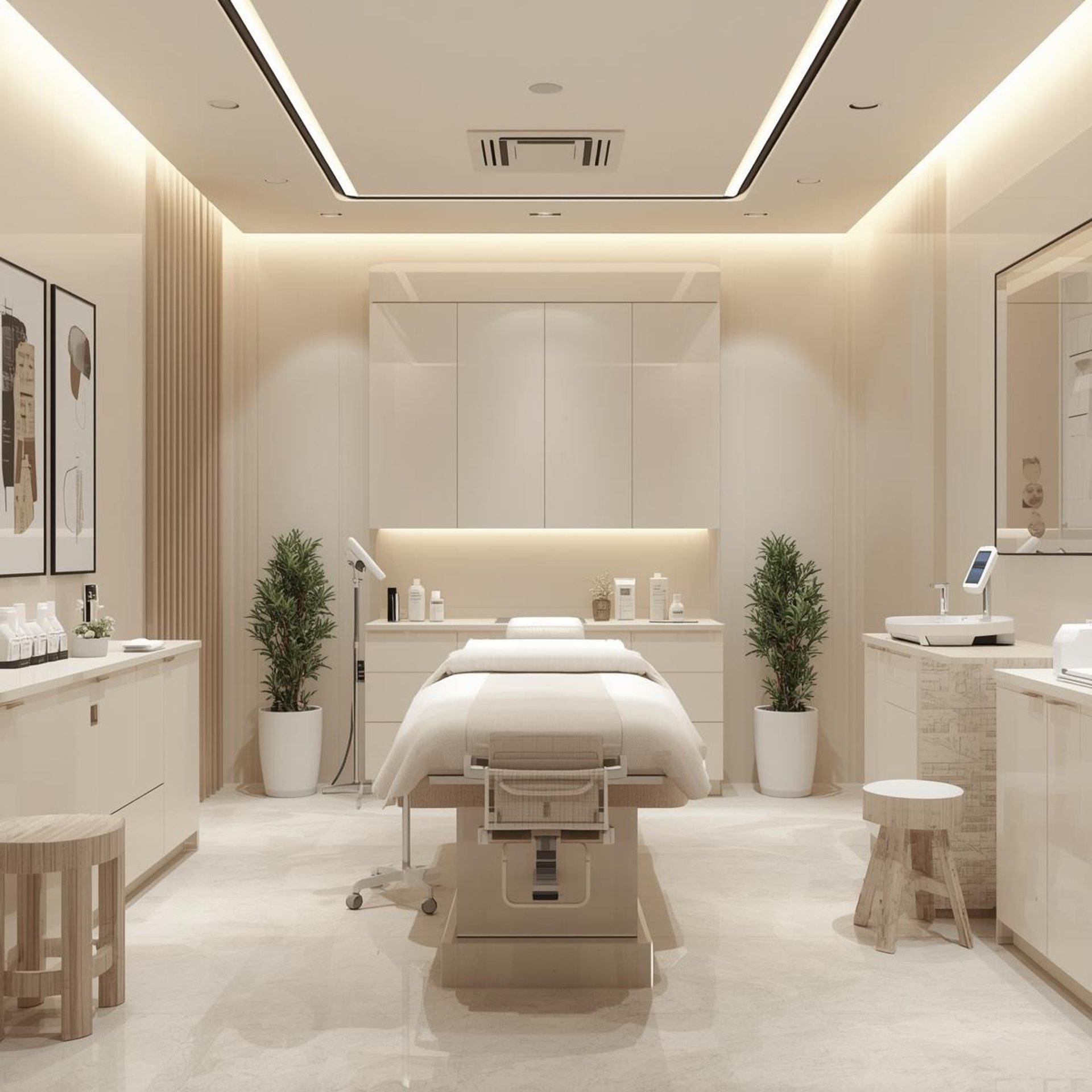
Your goal at this stage isn’t to create a luxury clinic. It’s to create a calm, clean, and efficient environment that supports both you and your clients.
Creating a Professional Treatment Space
Whether you’re working from home or a commercial clinic, your treatment area should feel:
Clean and uncluttered
Private and quiet
Purpose-built for treatments
At a minimum, you’ll need:
A comfortable treatment bed
A trolley or bench for consumables
Easy access to power points
Good lighting
Clear space to move around the client
Small details matter. A tidy, organised room helps clients relax and builds confidence in your professionalism.
Stock and Consumables
You don’t need excessive stock when starting, but you do need to be organised. Keep a sensible supply of:
Ultrasound gel
Gloves and wipes
Towels or disposable bed covers
Aftercare products, if you plan to retail
Running out of basics during a treatment adds unnecessary stress and disrupts the client experience.
Booking and Appointment Management
A smooth booking process sets expectations before a client even arrives. Most clients now expect:
Online booking
Appointment confirmations
Automated SMS reminders
These systems reduce no-shows, save time, and allow you to focus on treatments rather than administration — especially important if you’re operating solo.
Payments and Client Convenience
Simple payment options are essential. Clients increasingly expect:
Debit and credit card payments
Buy-now-pay-later options such as Afterpay or Zip
Clear pricing before treatment
Making payment easy removes friction and helps clients commit confidently.
Why Systems Matter Early
Putting systems in place from the beginning prevents chaos later. Clinics that rely on manual bookings or ad-hoc processes often find themselves overwhelmed as demand grows.
A simple, well-structured setup allows you to:
Deliver a consistent client experience
Reduce admin time
Scale more easily as bookings increase
Step 6 – Insurance, Risk, and Client Care
Protecting yourself and your clients is a fundamental part of running a professional HIFU clinic. While HIFU is non-invasive, you are still providing a clinical service, and it’s important to operate with appropriate safeguards in place.
This step is less about paperwork and more about building a clinic that feels safe, credible, and well-run.
Essential Insurance Coverage
Most Australian HIFU clinics will require two core types of insurance:
Professional Indemnity Insurance
This covers you in relation to the advice and treatments you provide. It’s particularly important for aesthetic treatments where outcomes depend on technique and client suitability.
Public Liability Insurance
This protects you if a client is injured while on your premises, regardless of whether the injury is directly related to a treatment.
Insurance providers vary, so it’s worth comparing policies and ensuring HIFU treatments are clearly included in the coverage.
Managing Risk Through Good Practice
Good risk management starts long before a treatment begins. Simple, consistent practices significantly reduce the likelihood of issues arising.
These include:
Clear client consultations
Proper assessment of suitability
Following treatment protocols
Using the correct cartridges and depths
Maintaining a clean, organised treatment environment
Clinics that take a structured, methodical approach tend to experience fewer complications and higher client satisfaction.
Client Communication and Consent
Open, honest communication builds trust and protects everyone involved. Clients should understand:
What the treatment involves
What sensations to expect
How results develop over time
What aftercare is required
Providing written consent forms and aftercare instructions helps set expectations and demonstrates professionalism.
Documentation and Record Keeping
Keeping simple but accurate client records is good practice. Notes may include:
Treatment areas and settings used
Client feedback during treatment
Any post-treatment observations
This information supports continuity of care and can be valuable if a client returns for follow-up treatments.
A Professional Mindset
Running a HIFU clinic responsibly isn’t about being overly cautious — it’s about being prepared. Clinics that take insurance, risk, and client care seriously tend to feel more confident, operate more smoothly, and earn stronger trust from their clients.
Step 7 – Pricing Treatments With Confidence
Pricing is one of the areas new clinic owners feel most uncertain about. Many worry about charging too much, while others under-price their services without realising it — often leading to stress, burnout, or slow progress toward break-even.
The aim is not to be the cheapest clinic in your area. The aim is to price treatments fairly, sustainably, and with confidence, based on real costs and client value.
Understand Your Cost Per Treatment First
Before setting any prices, you need a clear understanding of your cost per treatment. This includes:
Cartridge cost and estimated shots used per treatment
Treatment time (including consultation and setup)
Overheads such as rent, insurance, and utilities
Consumables and admin time
Once you know this baseline, pricing becomes far less emotional and far more objective.
Price Based on Value, Not Just Time
HIFU treatments deliver results that develop over weeks and last for months. Clients are not paying only for the time spent in the treatment room — they are paying for:
The technology
Your training and expertise
The outcome over time
The convenience of a non-invasive option
Pricing should reflect the long-term value of the treatment, not just the session length.
Keep Your Initial Menu Simple
When starting out, a smaller, clearly defined treatment menu works best. This helps you:
Communicate pricing clearly
Reduce confusion during consultations
Gain confidence delivering consistent treatments
As experience grows, you can expand your offerings or introduce packages and maintenance programs.
Be Clear and Consistent With Clients
Clients appreciate transparency. Make sure pricing is:
Easy to understand
Clearly explained during consultation
Consistent across your website and booking system
Confidence in pricing often translates directly into client trust.
Avoid a Common Trap
A common mistake is discounting heavily in the early stages out of fear of not getting bookings. While introductory offers can be useful, ongoing under-pricing makes it difficult to sustain the business and can devalue your service in the eyes of clients.
It’s usually better to focus on education, communication, and results than to compete on price alone.
Pricing Supports Sustainability
Well-considered pricing allows you to:
Cover costs comfortably
Reinvest in training or marketing
Deliver treatments without pressure
Enjoy the business you’re building
Pricing with confidence is not about being aggressive — it’s about creating a clinic that can operate calmly and sustainably.
Step 8 – Getting Bookings
At this stage, many new clinic owners feel a mix of excitement and uncertainty. You may have your space set up, training completed, and pricing in place — but now comes the question: how do you actually get clients booked in?
The good news is that you don’t need a complex marketing strategy to start. What you do need is consistency, clarity, and patience.
Start With Visibility, Not Perfection
In the early weeks, your priority is simply being visible where potential clients are already searching. This usually means:
A clear, simple website or booking page
A Google Business Profile (if applicable)
Basic social media presence showing who you are and what you offer
Your content doesn’t need to be polished or perfect — it just needs to be honest and informative.
Educate Before You Sell
HIFU is still unfamiliar to many people. Clinics that focus on education tend to build trust faster than those that focus only on promotions.
Useful early content includes:
What HIFU is and how it works
Who treatments are suitable for
What clients can realistically expect
How results develop over time
Educated clients arrive more confident and are more likely to commit to treatment.
Use Paid Advertising Carefully
Paid advertising, such as Google Ads, can be effective when used thoughtfully. Even a modest budget can help you test demand and bring in your first enquiries.
When starting out:
Focus on one or two clear services
Avoid complicated campaigns
Monitor enquiries rather than impressions alone
Consistency matters more than scale in the beginning.
Leverage Early Clients and Referrals
Your first clients are incredibly important. A positive experience often leads to:
Repeat bookings
Word-of-mouth referrals
Social proof over time
Simple follow-ups, good communication, and delivering on expectations go a long way.
Be Patient With Momentum
It’s normal for bookings to build gradually. Most clinics don’t launch fully booked — momentum develops as confidence grows, results become visible, and trust builds within your local area.
Staying consistent with marketing, even when bookings are quiet, is one of the most important habits you can develop early on.
Step 9 – Planning for Break-Even and Sustainable Growth
One of the most important — and often overlooked — parts of starting a HIFU clinic is understanding when the business begins to support itself. Break-even isn’t about profit or success status; it’s simply the point where your clinic is covering its costs consistently.
When you understand this clearly, decision-making becomes calmer and more confident.
What Break-Even Really Means
Break-even is the point at which your:
Treatment revenue
Covers your fixed and variable costs
These costs may include:
Equipment repayments or finance
Consumables and cartridges
Rent or home operating expenses
Insurance
Marketing
Software and systems
Once these are covered, additional bookings contribute to growth rather than just survival.
Why Guessing Causes Stress
Many new clinic owners rely on rough estimates or assumptions when thinking about break-even. This often leads to:
Uncertainty about pricing
Hesitation around marketing spend
Stress during quieter weeks
Overworking without clarity
Having clear numbers removes much of this emotional load.
What You Need to Calculate
To plan break-even realistically, it helps to know:
Your average price per treatment
Your cost per treatment
Your monthly fixed expenses
How many treatments per week are realistic for you
From there, you can see how many bookings are required to cover your costs — and whether that feels achievable within your current setup.
Use Tools to Remove Guesswork
Using a simple break-even calculator can be very helpful, especially when you’re starting out. It allows you to test different scenarios, such as:
Increasing prices slightly
Adding one extra treatment per week
Reducing certain overheads
This kind of visibility makes growth feel manageable rather than overwhelming.
Growth Comes After Stability
It’s tempting to focus immediately on expansion, but sustainable growth usually follows stability. Clinics that understand their numbers early are better positioned to:
Increase marketing confidently
Introduce additional treatments
Move into larger premises when ready
Invest further in training or equipment
Taking a steady, informed approach reduces burnout and increases long-term satisfaction.
A Calm, Sustainable Mindset
Planning for break-even isn’t about putting pressure on yourself — it’s about creating clarity. When you know what your clinic needs to function comfortably, you can make decisions that support both the business and your wellbeing.
Step 10 – A Simpler Way to Get Started (Clinic Starter Kits)
By the time you reach this step, you’ve likely realised that starting a HIFU clinic involves more than just purchasing a machine. It’s about bringing together equipment, training, systems, and support in a way that allows you to operate confidently from day one.
For this reason, many new clinic owners choose a structured, all-in-one approach when launching.
Why Some Clinics Choose a Starter Kit
Clinic starter kits are designed to remove complexity during the early stages. Rather than sourcing each component separately, everything is bundled into a single, coordinated setup.
This approach can be helpful because it:
Reduces the number of decisions you need to make upfront
Ensures compatibility between equipment, training, and systems
Shortens the time between setup and treating clients
Provides a clearer pathway from launch to break-even
For first-time clinic owners, this structure often translates into less stress and greater confidence.
What a Good Starter Kit Should Include
Not all starter kits are the same. A well-designed kit typically includes:
A HIFU machine suited to both face and body treatments
Practical, hands-on training
Clear treatment protocols and reference materials
Support during the early stages of operation
Guidance around setup, booking systems, and client flow
The value lies not just in the equipment, but in how well the pieces work together.
Who This Approach Suits Best
A starter kit can be particularly useful if you:
Are new to the aesthetics industry
Prefer a guided setup rather than building everything yourself
Want to minimise trial-and-error during the first few months
Value having support available when questions arise
For some clinic owners, assembling everything independently makes sense. For others, a bundled approach provides reassurance and momentum.
Starting With Confidence
Starting a HIFU clinic can feel like a big step — especially if you’re new to the aesthetics industry or building something from scratch. By working through each stage carefully, you give yourself the best chance to launch with clarity rather than uncertainty.
A successful clinic isn’t built overnight. It’s built through:
Understanding how the technology works
Choosing equipment that fits your goals
Investing in proper training and support
Setting realistic pricing and expectations
Taking a steady, informed approach to growth
When these foundations are in place, confidence tends to follow naturally — both for you and for your clients.
If you’re still weighing up options or want a clearer picture of what’s involved, starting with the right information can make all the difference.
Helpful Next Steps
Download the Australian HIFU Buyer’s Guide
A practical overview covering common buying mistakes, must-have features, machine comparisons, and real clinic considerations.Use the HIFU Clinic Break-Even Calculator
Explore what your numbers could look like and remove guesswork around pricing and sustainability.Book a Private Demo or Request a Quote
See the technology in action, ask questions, and decide whether it’s the right fit for you — with no pressure to move forward.
Frequently Asked Questions
Many successful HIFU clinics in Australia are run by people who started with no beauty or medical background — the key is completing a HIFU Therapist training certificate.
Can I legally run a HIFU clinic from home?
Yes, many Australian clinic owners start from a home-based setup, particularly those entering the industry for the first time. A home clinic can be a practical and cost-effective way to begin, especially if you don’t come from a beauty or medical background.
As long as your space meets local council requirements, hygiene standards, and insurance conditions, a home-based clinic is a common and accepted starting point. Many operators complete their HIFU Therapist training first, then set up a compliant home clinic before expanding later.
What training do I need before treating clients with HIFU?
Before treating clients, you’ll need to complete HIFU Therapist training. This training is designed specifically for people who may be new to the aesthetics industry and does not require prior beauty, nursing, or medical qualifications.
Training typically covers anatomy basics, machine operation, treatment protocols, safety guidelines, and client consultations. With proper training and certification, many first-time clinic owners confidently begin treating clients — even if they are starting from a home-based setup or changing careers.
Is HIFU safe for clients?
When performed correctly by a trained operator, HIFU is widely regarded as a safe non-surgical treatment. This is why completing proper HIFU Therapist training is essential, particularly for new clinic owners who may not have a background in beauty or healthcare.
Good training focuses on client suitability, correct energy settings, and safe treatment techniques, helping beginners deliver consistent and responsible results.
How long does it take for a HIFU clinic to break even?
Break-even timelines vary depending on pricing, client volume, and operating costs. Many new clinic owners — including those starting without prior industry experience — choose to begin with a simple home-based setup to keep overheads low while building confidence and bookings.
With realistic pricing and steady marketing, some clinics reach break-even within months, while others take longer depending on their approach and goals.
What’s the difference between HIFU machines?
HIFU machines vary in technology, treatment depths, ease of use, and support. For beginners and first-time clinic owners, choosing a machine that includes training, guidance, and ongoing support is often more important than choosing the most advanced or expensive option.
A well-supported machine can make the learning curve far smoother for those entering the industry without a beauty or medical background.
Get in touch
HIFU Machine Sales 76 Skyring Terrace Newstead Qld 4006